Behavioral Analytics Driving Tailored Incentive Structures in Mobile Gaming Networks
Elena Powell · Aug 24, 2026
Behavioral Analytics Driving Tailored Incentive Structures in Mobile Gaming Networks
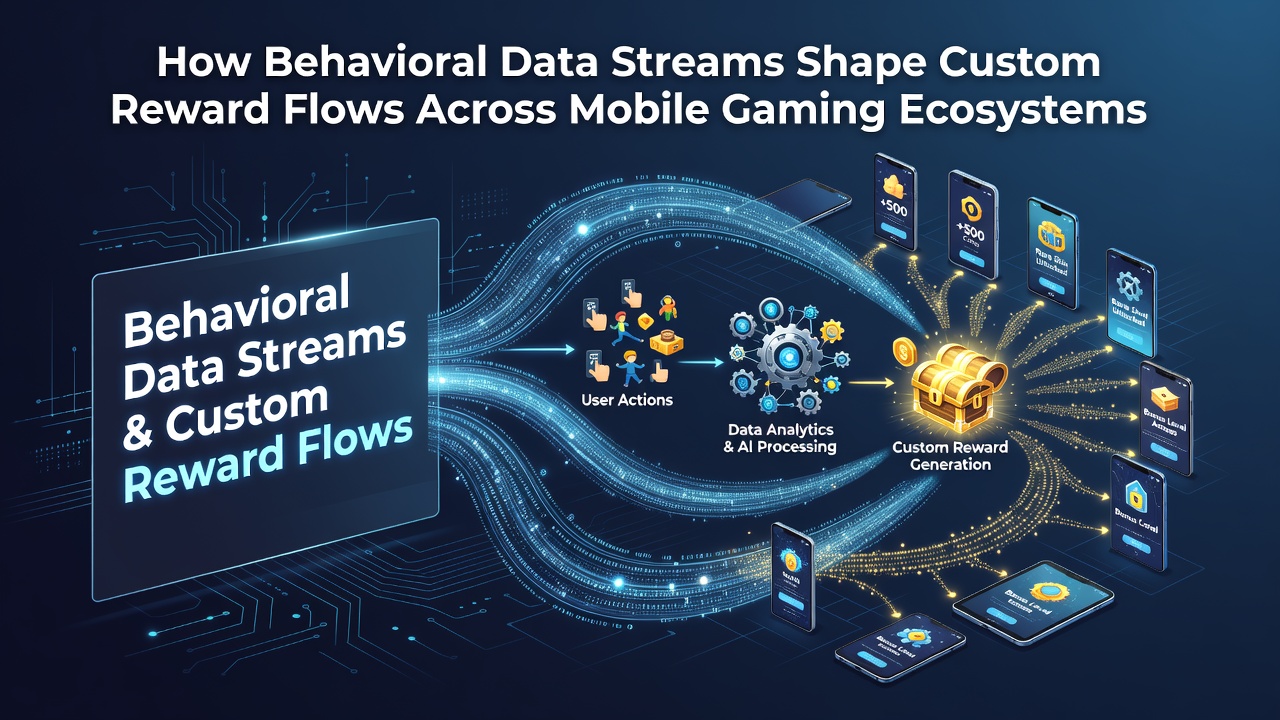
Player activity logs collected through mobile applications feed directly into algorithmic systems that adjust reward sequences in real time, and developers track metrics such as session duration, in-app purchase frequency, and level completion rates to generate individualized incentive pathways across gaming platforms. These data streams operate continuously, capturing touch patterns, navigation choices, and social interactions while users engage with titles on smartphones and tablets. Researchers at various institutions note that such continuous monitoring allows platforms to refine reward timing and type based on observed habits rather than fixed schedules.
Data Collection Mechanisms in Mobile Environments
Mobile games gather behavioral information through embedded software development kits that record events like spin frequency in chance-based features, time spent on bonus rounds, and responses to limited-time offers, while integration with device sensors adds layers including location context and connection stability. Studies from academic groups indicate that these inputs combine into profiles updated every few minutes, enabling systems to predict when a user might respond positively to a custom reward such as extra spins or boosted multipliers. Observers point out that privacy frameworks in regions like the European Union and Canada require explicit consent for many of these tracking practices, and compliance reports from August 2026 highlight increased scrutiny on how gaming firms handle cross-border data flows.
Algorithmic Customization of Reward Sequences
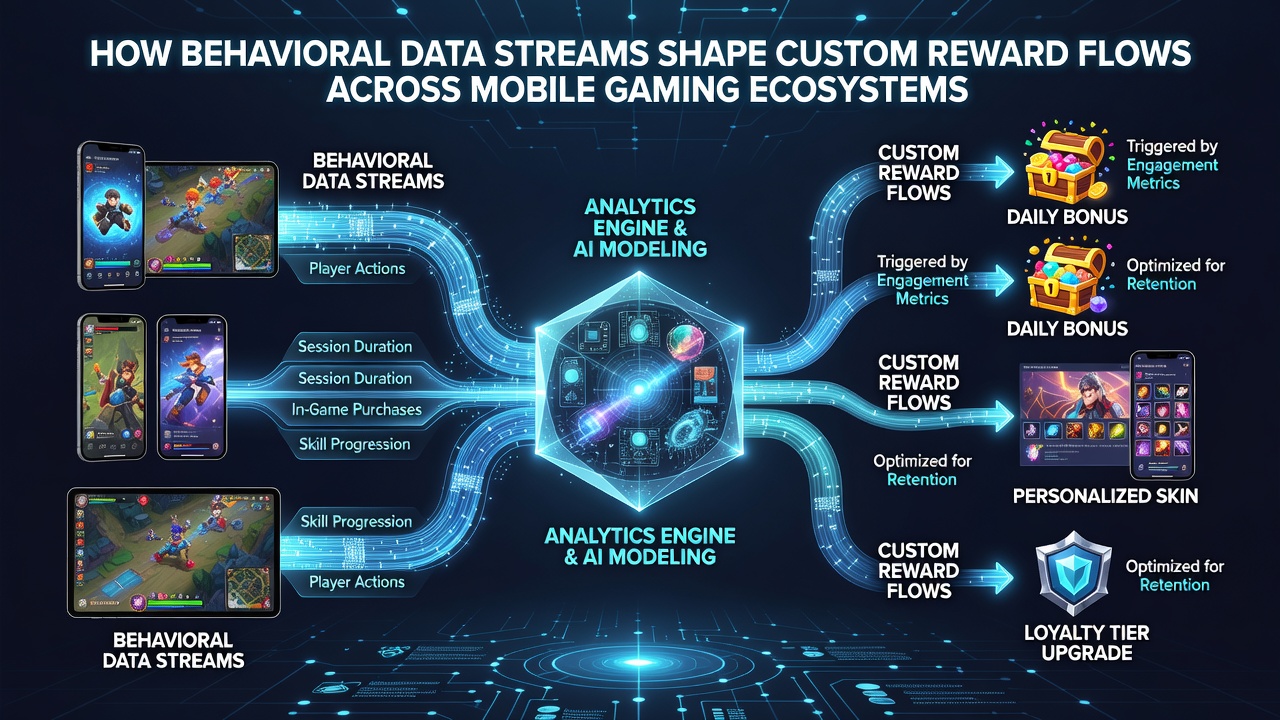
Once collected, behavioral data enters machine learning models that segment users into dynamic cohorts based on engagement curves, and these models then output reward configurations tailored to each segment. For instance, a player who frequently abandons sessions after small wins might receive staggered bonus offers designed to extend play periods, whereas high-spending users encounter escalating jackpot pathways tied to their historical deposit patterns. Data from industry analyses shows that such personalization increases retention metrics by aligning incentives with individual activity rhythms rather than applying uniform promotions across all accounts. What's interesting here is how the same underlying dataset can produce divergent reward flows for two users with similar total playtime yet different interaction styles.
Integration Across Gaming Ecosystems
Mobile gaming platforms often connect behavioral insights from slot-style games to live table simulations and sports wagering modules within the same application, creating unified reward streams that carry progress across game types. A user completing daily challenges in one section might unlock cross-game multipliers that apply to table play or betting odds, and backend systems synchronize these flows using shared player identifiers. Reports released in August 2026 by organizations such as the Newzoo research group document rising adoption of these integrated loops in markets outside the UK, particularly in North America and parts of Asia where regulatory environments permit broader data usage. The process relies on secure data pipelines that maintain separation between personal identifiers and reward logic to meet varying regional standards.
Impact on Player Progression and Platform Economics
Custom reward flows generated from behavioral streams influence how quickly users advance through content tiers, and platforms adjust difficulty curves or bonus frequency to maintain steady engagement without triggering rapid attrition. Figures from trade associations reveal that games employing advanced personalization retain active users 20 to 30 percent longer on average compared with static reward models, while revenue per active account rises through more precise timing of limited offers. Those who have examined these systems note that the balance depends on continuous model retraining as user patterns evolve, especially during seasonal events or new content drops. And yet the core mechanism remains the same: raw activity data transforms into actionable reward parameters delivered within seconds of each session milestone.
Regulatory and Technical Considerations in 2026
By August 2026, several jurisdictions had updated guidelines on algorithmic transparency in digital entertainment, requiring developers to disclose how behavioral data shapes reward eligibility. Canadian and Australian oversight bodies issued joint statements emphasizing audit trails for automated decision systems, and gaming companies responded by publishing simplified explanations of their personalization logic. Technical standards now encourage use of federated learning approaches that process data locally on devices before transmitting aggregated insights, reducing exposure while preserving the ability to craft custom flows. These developments affect how reward systems scale across international user bases without violating local data rules.
Conclusion
Behavioral data streams continue to underpin the creation of adaptive reward mechanisms throughout mobile gaming ecosystems, linking raw user actions to individualized incentive delivery in ways that evolve with each interaction cycle. The combination of real-time tracking, algorithmic segmentation, and cross-module synchronization produces reward pathways that respond directly to observed conduct rather than predetermined templates. As technical capabilities advance and regulatory frameworks mature, these systems maintain their central role in shaping progression and retention across diverse game formats and geographic markets.