Interconnections Between Protected Payment Channels and Multi-Level Incentive Structures in Mobile Entertainment Platforms
Otto Schmidt · May 18, 2026
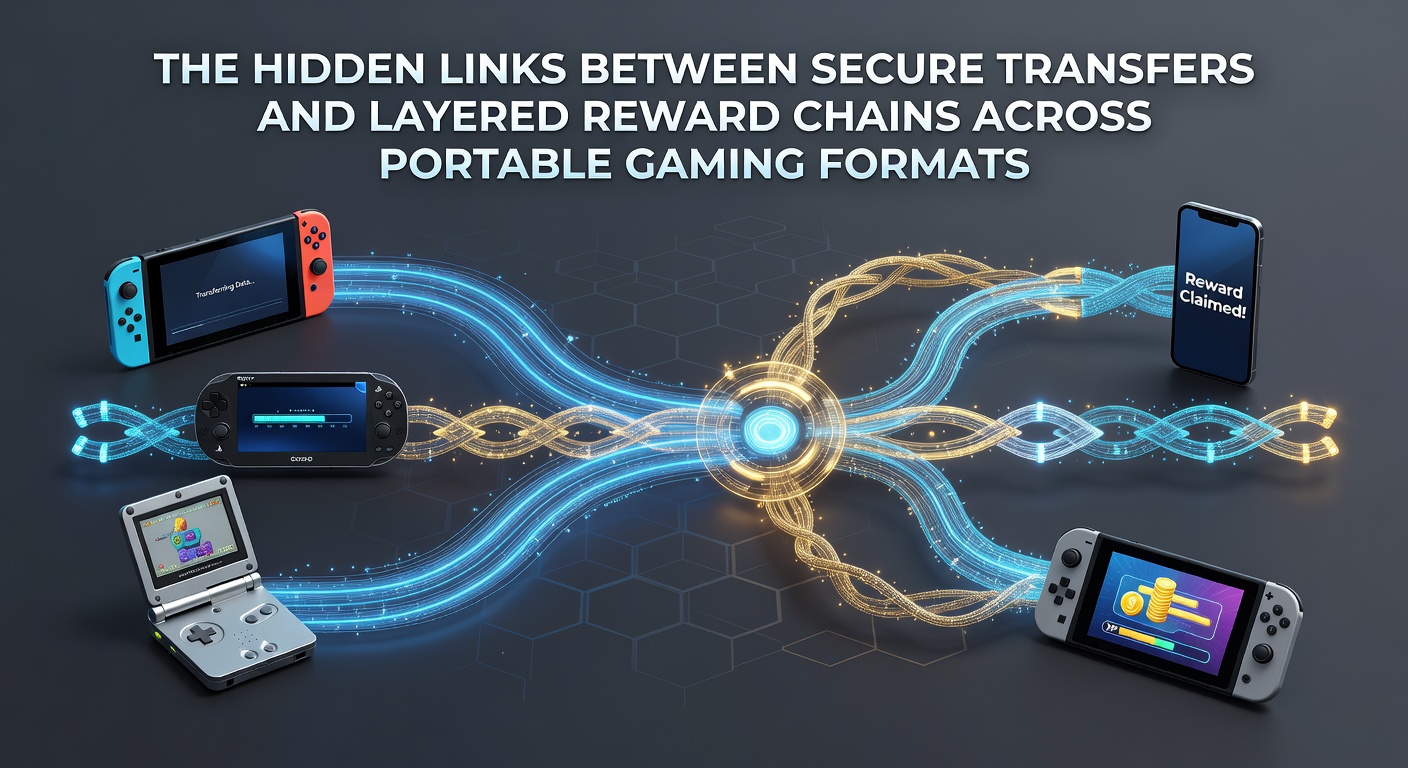
Interconnections Between Protected Payment Channels and Multi-Level Incentive Structures in Mobile Entertainment Platforms
Secure transfers form the backbone of many mobile gaming ecosystems, where users move funds into accounts that unlock progressive incentive layers built around spending patterns and engagement levels. These systems operate across handheld formats including smartphones and tablets, and observers note that payment reliability directly influences how reward chains expand over time. Data from industry reports shows transaction success rates above 98 percent correlate with higher retention in tiered programs, because players advance through levels only when deposits clear without interruption.
Mechanics of Protected Transfers in Handheld Formats
Protected payment channels rely on encryption protocols and tokenization methods that shield user details during each transaction, and this setup supports everything from one-time top-ups to recurring contributions that feed into reward accumulation. Researchers discovered that platforms using multi-factor verification see fewer failed attempts, which keeps users progressing through incentive stages without resets. In May 2026, updates to global digital payment standards prompted several mobile gaming operators to integrate biometric options, resulting in smoother flows between funding actions and the activation of new reward tiers.
Those who study user behavior point out that instant settlement features allow immediate credit to layered programs, whereas delays can stall advancement until the next cycle begins. Figures reveal that regions with widespread adoption of e-wallet solutions experience faster tier climbs compared to card-only environments, since the reduced friction encourages consistent activity across different game types available on portable devices.
Structure of Layered Reward Systems
Multi-level incentive frameworks typically begin with entry-level perks such as bonus spins or extra credits, then scale to premium benefits including exclusive events and higher payout multipliers as users meet cumulative thresholds. Experts have observed that these chains often tie directly to transfer volumes, creating a feedback loop where larger or more frequent secure deposits accelerate movement between stages. One study revealed that players who maintain steady transaction patterns reach top tiers 40 percent quicker than those with sporadic funding habits.
Portable formats add another dimension because cross-device synchronization ensures that progress carries over from phone to tablet without loss, and this continuity strengthens the connection between secure channels and ongoing reward eligibility. What's interesting is how operators design these systems to reward not only spending but also consistent engagement metrics that indirectly depend on reliable payment infrastructure.
Hidden Connections Across Formats
The links become evident when examining how a single secure transfer can trigger multiple reward layers simultaneously in games ranging from casual puzzles to more complex strategy titles. According to research from the University of Nevada Gaming Innovation Lab, synchronized payment and loyalty databases reduce processing errors by up to 35 percent, allowing seamless progression regardless of the portable device in use. This integration means that security measures do not merely protect funds but actively enable the expansion of incentive opportunities across sessions.
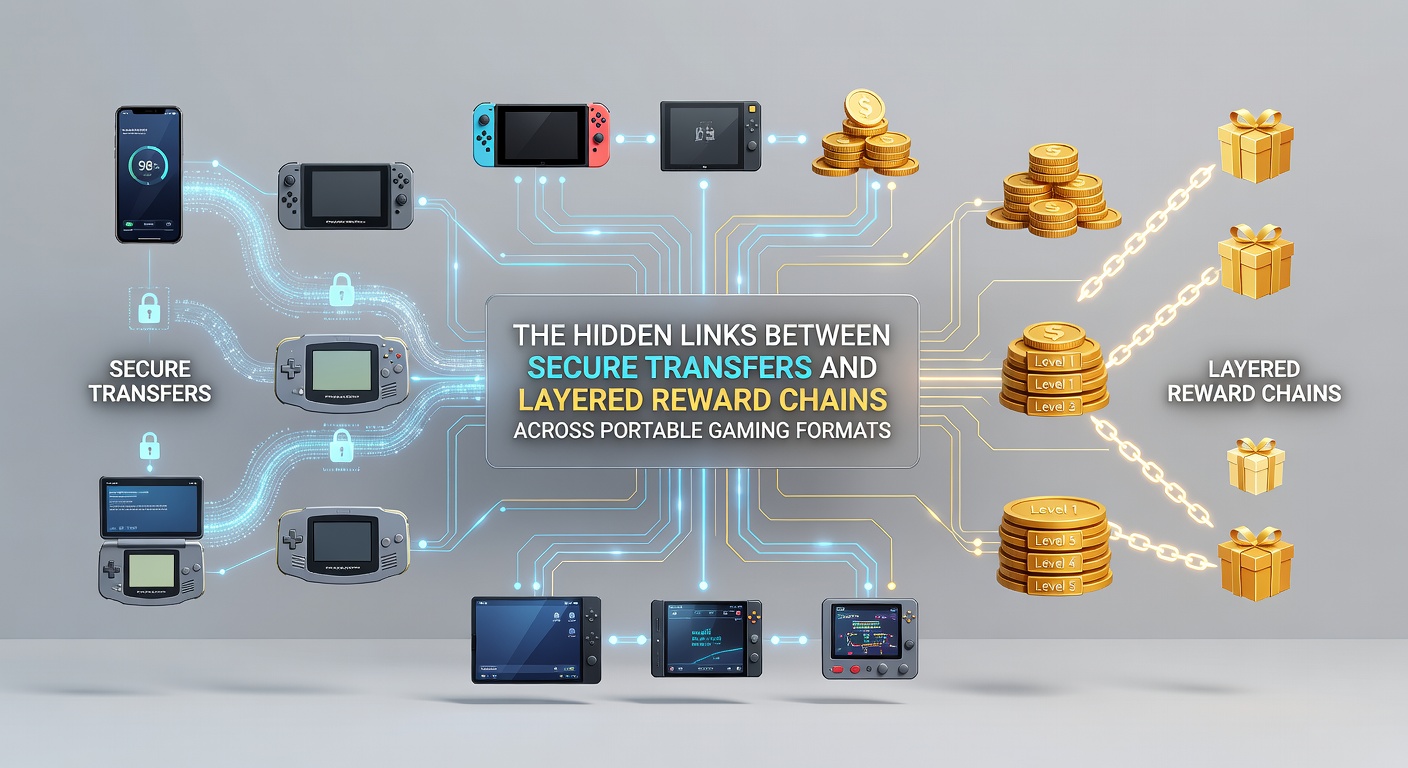
People who've examined transaction logs across various handheld platforms find that reward chains often reset or pause during security verifications, yet robust systems minimize these pauses through pre-approved transfer pathways. In practice this creates tighter bonds between the two elements, because every verified deposit contributes data points that refine future tier placements and personalized offers.
Take one operator who implemented end-to-end encrypted transfers last year and recorded a 22 percent rise in users advancing past mid-level rewards within the first quarter. Such outcomes highlight how technical safeguards underpin the operational success of progressive incentive models rather than serving as isolated features.
Regional Variations and Data Trends
Patterns differ by market, with European operators emphasizing regulatory-compliant transfer methods that feed into reward systems while North American platforms focus on speed and integration with existing banking apps. Reports from the Australian Institute of Gambling Research indicate that players in regions with advanced digital payment networks complete tier requirements at higher rates, partly because secure options reduce abandonment during funding steps. These variations demonstrate that the underlying connection remains consistent even as implementation details shift.
Additional evidence from industry associations shows that portable gaming formats benefit when reward chains incorporate transfer history as a core metric, since this approach rewards reliability and builds long-term participation across multiple game categories. The reality is that without dependable channels, layered incentives lose momentum and users disengage before reaching higher stages.
Conclusion
Secure transfers and layered reward chains function as interdependent components within mobile gaming environments, where each verified transaction supplies the momentum needed for incentive progression. Observers note continued evolution in these linkages as new security standards and device capabilities emerge, shaping how users interact with portable formats over extended periods. Data indicates that platforms maintaining strong integration between these elements sustain higher activity levels across diverse player segments.