Linking Payment Networks to Loyalty Pathways in Adaptive Online Gaming Environments
Casey Günther · Jun 13, 2026
Linking Payment Networks to Loyalty Pathways in Adaptive Online Gaming Environments
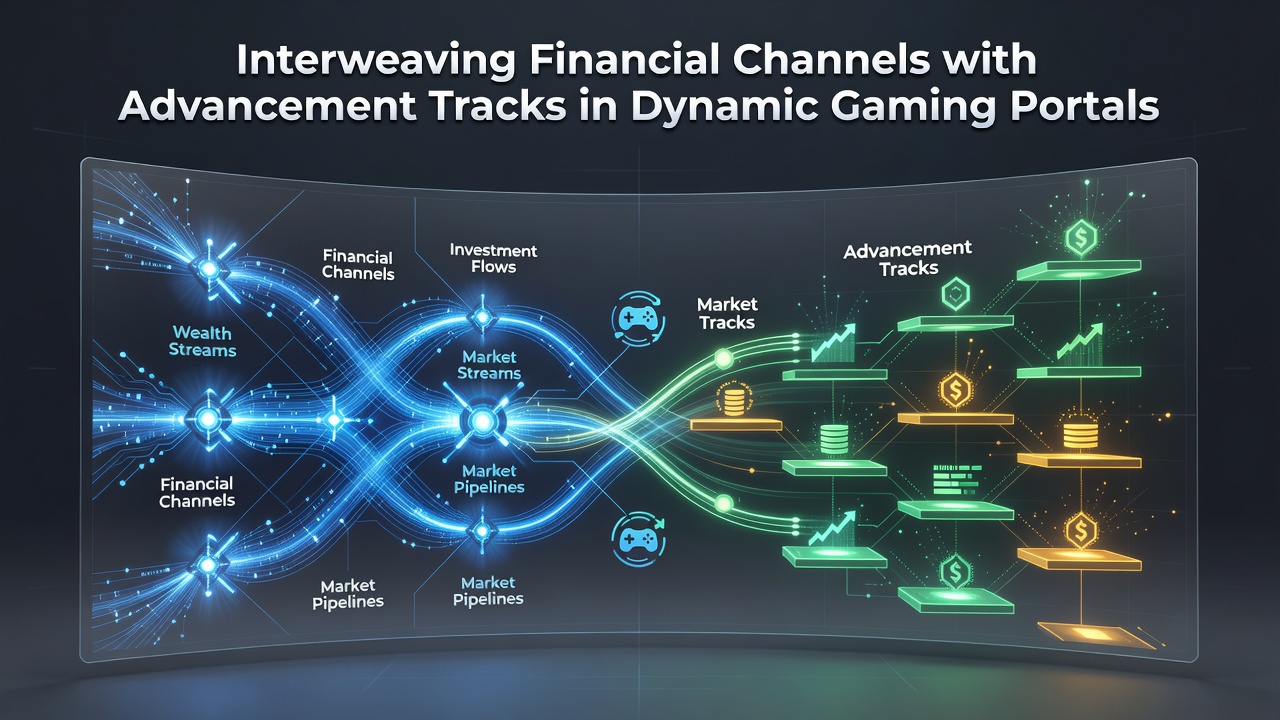
Payment channels in dynamic gaming portals now connect directly to player advancement systems, creating unified structures where deposits, withdrawals, and bonus activations influence loyalty tier movements. Observers note that operators design these integrations so financial transactions generate data points that feed into progression algorithms, allowing users to advance through VIP levels based on deposit volume, frequency, and payment method type.
Research from the Nevada Gaming Control Board shows transaction data often determines eligibility for accelerated tier climbs, with certain digital wallet options awarding bonus progression multipliers during June 2026 platform updates. Those who've studied portal architectures know that seamless wallet integrations reduce friction between funding accounts and claiming rewards, which in turn supports continuous advancement tracking across slots, tables, and sports sections.
Core Mechanisms Connecting Transactions to Tiers
Dynamic gaming portals use application programming interfaces to sync payment processors with loyalty databases, so every completed deposit logs automatically into a user's advancement record. Data from the Canadian Gaming Association indicates that platforms employing real-time synchronization achieve higher retention rates because players see immediate tier progress reflected after each transaction.
Payment method selection further shapes these tracks, since some portals assign different point values to credit cards versus cryptocurrency transfers or bank transfers. Experts have observed that e-wallet deposits frequently carry higher multipliers during promotional windows, allowing users to reach higher tiers faster while maintaining compliance with regional financial regulations.
Examples of Integrated Systems in Practice
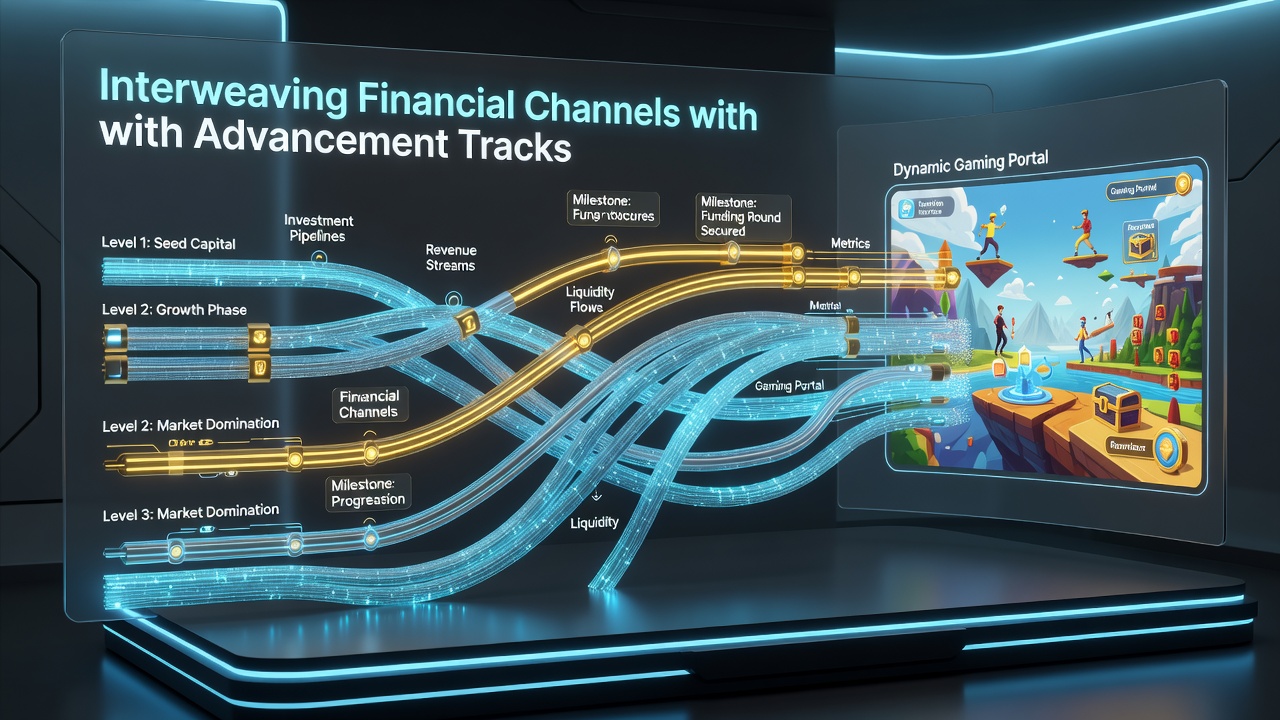
One major operator in North America implemented a unified dashboard in early 2026 that displays both account balances and current loyalty points side by side, updating instantly after each verified transaction. Players advancing through these systems often discover that consistent use of approved payment channels unlocks exclusive advancement milestones, such as personalized bonus structures tied to tier status.
Another case involves Australian platforms that link sports betting deposits directly to casino loyalty meters, creating cross-category advancement opportunities. According to a report by the Australian Institute of Family Studies, these linkages allow users to accumulate points across verticals without separate tracking systems, streamlining the overall experience.
Regulatory and Technical Considerations
Technical standards released in June 2026 emphasize secure data handoffs between payment gateways and loyalty engines, requiring encryption protocols that protect both financial details and progression histories. Regulatory bodies across multiple regions now require audit trails that document how each transaction contributes to tier movements, ensuring transparency in advancement calculations.
Operators that maintain these standards report smoother compliance processes, while users benefit from clear visibility into how their financial activity supports ongoing development within the portal ecosystem. What's interesting is the way certain payment innovations, such as instant bank transfers, have begun to replace slower methods in advancement weighting formulas.
Future Developments in Channel and Track Integration
Industry analysts expect continued refinement of these interwoven systems, with artificial intelligence playing a larger role in predicting optimal payment choices for faster tier advancement. European trade groups have documented pilot programs where personalized payment recommendations appear alongside loyalty dashboards, guiding users toward options that align with their progression goals.
These developments maintain focus on factual system capabilities rather than promotional claims, as portals prioritize measurable integration between monetary flows and structured player growth paths.
Conclusion
Interweaving financial channels with advancement tracks produces measurable effects on how users interact with dynamic gaming portals. Clear data connections between transactions and tier systems support consistent progression across multiple game types and regions. Observers continue to track these integrations as platforms evolve their technical frameworks through 2026 and beyond.