Mapping Ties Between Encrypted Transactions and Tiered Incentive Programs in Mobile Table Games and Live Event Betting
Mia Günther · May 20, 2026
Mapping Ties Between Encrypted Transactions and Tiered Incentive Programs in Mobile Table Games and Live Event Betting
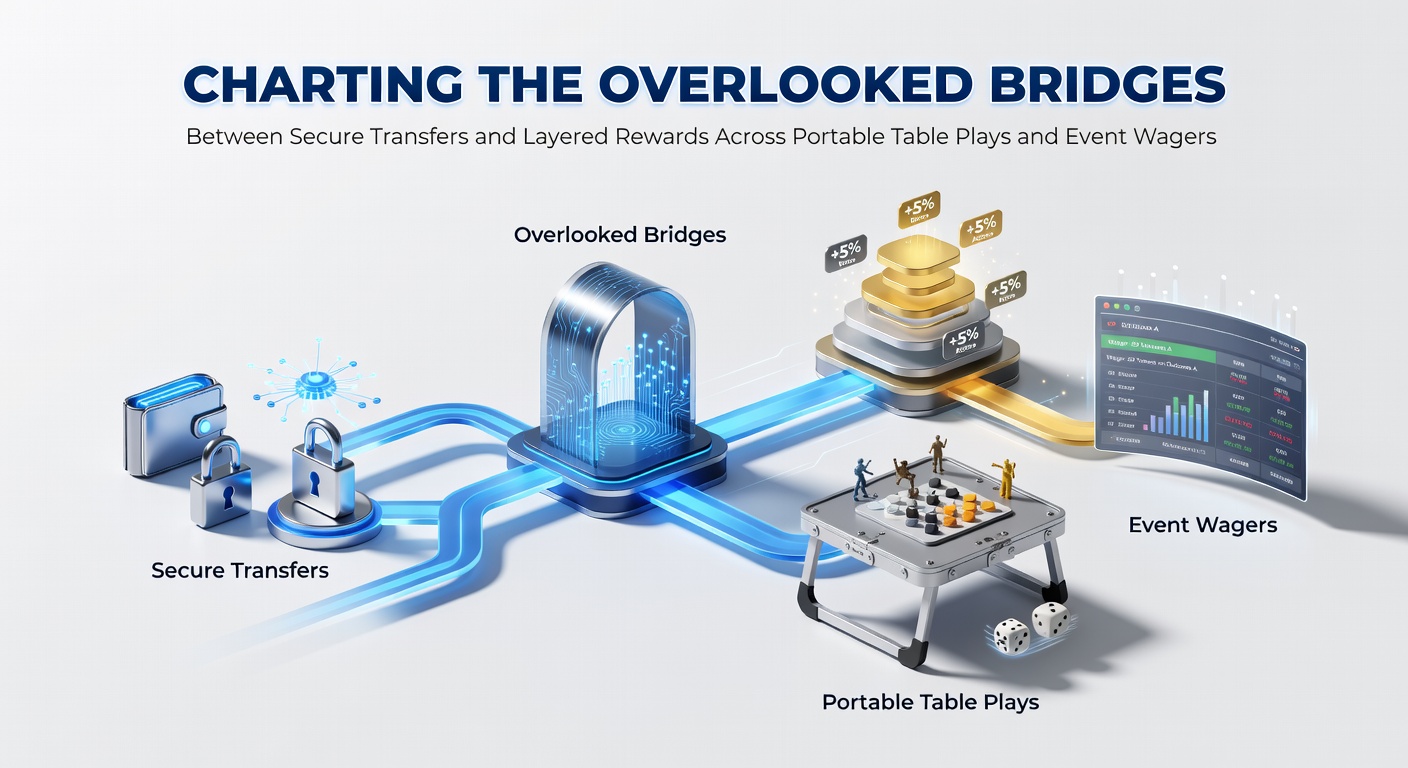
Secure transfers in digital entertainment environments rely on encrypted protocols that protect user funds during deposits and withdrawals while layered rewards accumulate through structured incentive tiers that scale with participation levels and these elements intersect in portable table plays and event wagers where data flows link transaction security directly to reward eligibility calculations.
Foundations of Protected Payment Channels
Payment systems in interactive gaming platforms employ end-to-end encryption standards alongside multi-factor authentication methods and tokenization techniques that shield sensitive financial details from exposure during processing yet these same mechanisms generate verifiable transaction records that feed into reward tracking databases. Operators integrate real-time verification steps with compliance checks that align payment confirmations to user activity logs and this synchronization allows reward programs to validate qualifying spends without compromising security layers.
Structures of Multi-Level Incentive Systems
Layered rewards operate through progressive tiers where initial entry levels grant basic access to bonuses and higher stages unlock enhanced multipliers along with exclusive event entries based on cumulative play metrics and spending volumes. Data analytics engines monitor patterns across sessions to assign points automatically and these points convert into tangible benefits only after payment channels confirm the originating transactions meet predefined criteria such as minimum thresholds and frequency requirements.
Intersections in Portable Table Formats
Portable table plays encompass digital versions of games like blackjack and poker delivered through mobile applications where secure transfers facilitate instant buy-ins and layered rewards adjust dynamically based on table stakes and session durations. Researchers at academic institutions have examined how encryption handshakes during fund movements trigger reward updates in real time and one study from an Australian research center revealed that platforms synchronizing these processes see higher retention rates among users who engage consistently across both table variants and reward milestones. In May 2026 regulatory updates from bodies in the Asia-Pacific region are expected to standardize data-sharing protocols between payment gateways and loyalty engines which could streamline verification for mobile table participants without adding latency to gameplay flows.

Connections in Event Wagering Scenarios
Event wagers on sports matches or timed competitions require rapid secure transfers to place stakes and claim payouts while layered rewards track these activities to award tier advancements tied to wager volumes and outcome frequencies. Industry reports from North American gaming associations indicate that systems bridging payment security with reward algorithms reduce discrepancies in point allocations by cross-referencing transaction hashes against betting histories and this approach supports accurate tier progression across diverse event categories. Observers note that such integrations prove especially relevant during peak seasons when high-volume users rely on seamless fund movements to maintain eligibility for escalating benefits.
Technical Mechanisms Enabling the Links
Application programming interfaces serve as conduits that transmit anonymized payment confirmation data to reward management platforms and these interfaces employ secure sockets along with audit trails to maintain integrity throughout the exchange. Developers incorporate blockchain elements in select deployments to create immutable logs of transfers that reward engines query for validation purposes and this method ensures layered incentives reflect genuine activity without exposing full financial profiles. Those who have analyzed platform architectures report that modular designs allow independent scaling of security features and reward calculations yet maintain synchronized outputs for end-user dashboards.
Regulatory and Operational Considerations
Government agencies across multiple jurisdictions require operators to demonstrate that secure transfer processes do not inadvertently restrict access to reward tiers and compliance frameworks emphasize transparency in how transaction data informs incentive distributions. European trade organizations have published guidelines that encourage standardized reporting formats linking payment verifications to loyalty metrics and these recommendations aim to foster consistent practices among providers handling both portable table plays and event wagers. Figures from recent industry surveys show increased adoption of unified systems that handle these dual functions efficiently while adhering to data protection mandates.
Future Developments and Integration Trends
Emerging technologies such as biometric payment authorizations and predictive analytics for reward forecasting continue to refine the bridges between secure transfers and layered incentives and platform providers test these advancements in controlled environments before wider rollout. In May 2026 several operators plan expansions of cross-format reward programs that encompass both mobile table sessions and event-based wagers under unified security umbrellas and preliminary data suggests these expansions could enhance user engagement metrics across regions. Academic reviews continue to track outcomes from early adopters to assess long-term effects on transaction reliability and reward accessibility.
Conclusion
The overlooked connections between protected payment channels and multi-tiered reward structures manifest through shared data pathways that validate activity in portable table plays and event wagers while preserving operational security and compliance standards. Continued refinements in interface designs and regulatory alignments support these integrations as platforms evolve to meet demands for efficient and transparent systems.