Transaction Streams: Payment Innovations Advancing Players in Mobile Casino Ranks
Otto Schmidt · Jun 8, 2026
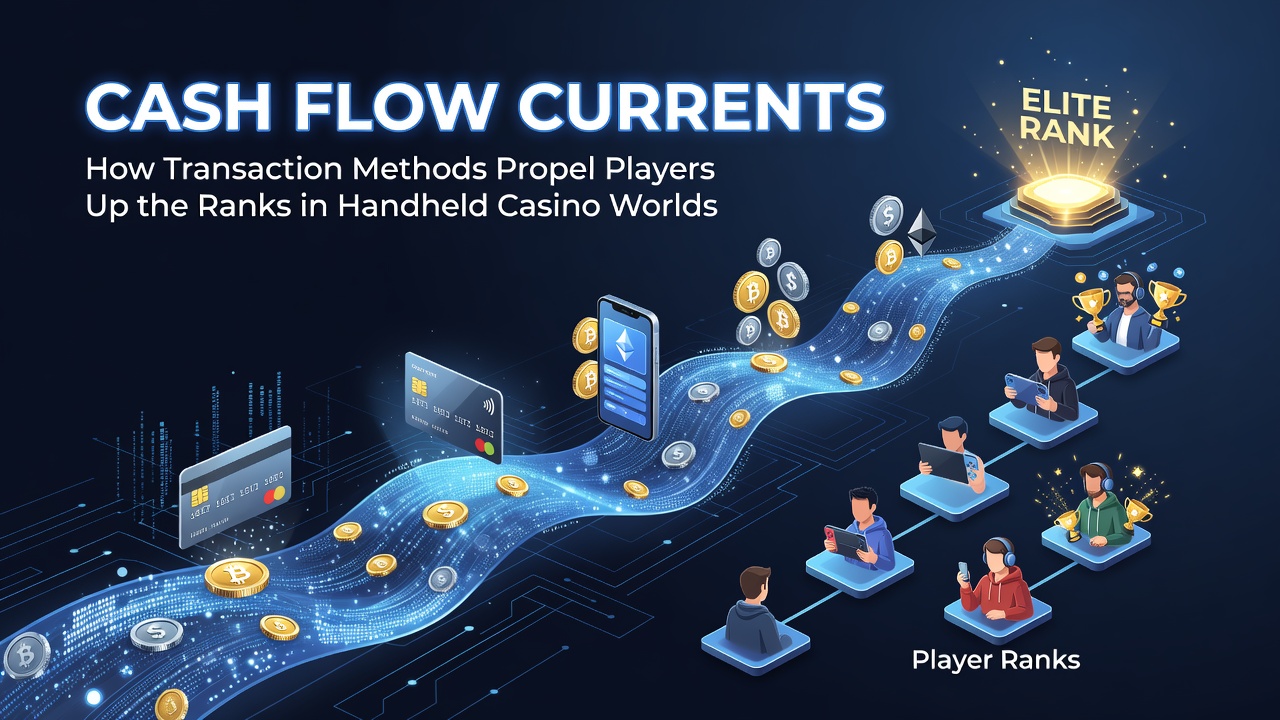
Transaction Streams: Payment Innovations Advancing Players in Mobile Casino Ranks
Payment systems form the backbone of player advancement in handheld casino environments, where transaction speed, security features, and integration capabilities directly influence access to loyalty programs and tiered rewards, according to industry data compiled through 2025 and into mid-2026.
Electronic wallets, bank transfers, and emerging digital currencies each carry distinct processing timelines that shape how quickly participants accumulate the activity metrics required for rank elevation, researchers note in recent gaming technology assessments. Faster confirmation times reduce barriers between deposits and gameplay, allowing consistent engagement that feeds into algorithmic evaluations used by mobile platforms to determine status upgrades.
Processing Timelines and Rank Accumulation Patterns
Traditional credit card transactions typically settle within seconds to minutes, yet they often carry higher fee structures that erode the net value available for wagering volume, a factor that data from multiple platform operators shows influences long-term progression rates. In contrast, e-wallet services such as those integrated with major mobile networks complete verifications almost instantaneously, enabling players to chain sessions without interruption and build the consecutive activity streaks that trigger automated tier reviews.
Bank wire options introduce longer windows of one to three business days, which can delay the momentum needed for time-sensitive promotions tied to monthly or quarterly performance thresholds, observers have documented across various handheld ecosystems. Those who rely primarily on these slower rails frequently report fragmented participation patterns that fall short of the sustained thresholds required for mid-tier promotions.
Security Protocols and Platform Eligibility Criteria
Verification standards embedded in each payment channel also determine eligibility for higher ranks, since many mobile operators require source-of-funds documentation that aligns with anti-money laundering frameworks established by regulatory bodies in multiple jurisdictions. Platforms cross-reference transaction histories against these requirements before granting access to exclusive tables, higher withdrawal limits, and personalized bonus structures.
Cryptocurrency transfers add another layer, where blockchain confirmation counts create variable settlement periods ranging from minutes to hours depending on network congestion, according to transaction analytics released by several North American operators in early 2026. Players utilizing these methods often maintain separate wallets calibrated for rapid conversion to platform credits, a practice that streamlines the path toward loyalty point multipliers.
Geographic and Regulatory Influences on Payment Adoption
Regional regulations further modulate which methods accelerate rank movement, with frameworks in Australia and parts of the European Union emphasizing consumer protection layers that affect deposit velocity and reward eligibility. Data aggregated by the American Gaming Association through the first half of 2026 indicates that operators incorporating multi-currency support and instant conversion tools see higher retention among users progressing through silver and gold tiers.
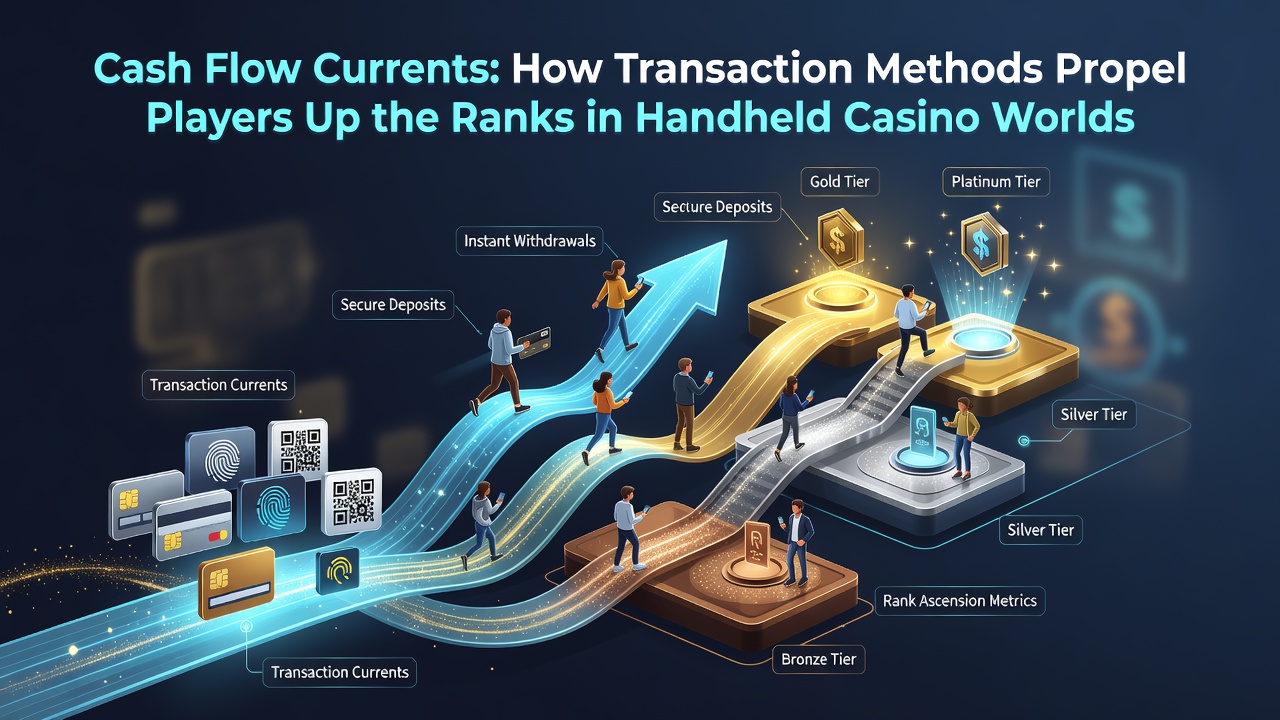
One documented case involved operators adjusting their internal scoring models in June 2026 to weight cryptocurrency volume more heavily after observing consistent patterns of high-frequency activity among users of those channels, though the adjustments remained subject to ongoing compliance reviews by state-level authorities. Such recalibrations demonstrate how transaction data feeds directly into the algorithms governing advancement.
Integration With Loyalty Algorithms and Bonus Structures
Many handheld platforms now embed payment method metadata into their loyalty engines, assigning different point accrual rates based on the perceived reliability and cost efficiency of each channel. Research published through academic gaming studies shows that participants using low-friction methods accumulate qualifying spend at rates up to 40 percent higher than those relying on legacy options, directly correlating with faster movement between bronze, silver, and platinum designations.
Cross-border considerations add complexity, as currency conversion fees and settlement delays can reduce effective wagering volume for international users, a variable tracked in reports from Canadian provincial regulators during the same period. Operators respond by offering localized payment rails that minimize these frictions, thereby expanding the pool of eligible candidates for rank-based events and exclusive mobile tournaments.
Future Trajectories in Transaction-Driven Progression
Emerging technologies such as instant bank verification and tokenized card systems continue to reshape the landscape, with pilot programs launched in several markets demonstrating reduced abandonment rates during deposit sequences. These developments feed into broader platform strategies that tie payment reliability scores to long-term player value calculations, influencing everything from personalized reward offers to invitation-only rank advancement pathways.
Observers tracking handheld casino ecosystems note that the interplay between transaction infrastructure and loyalty mechanics has become more pronounced since the start of 2026, as operators refine their systems to accommodate evolving regulatory expectations around transparency and responsible play monitoring. The result is an environment where the choice of payment method functions as both a practical necessity and a strategic lever for status elevation.
Conclusion
Transaction methods operate as active components within the rank progression systems of mobile casino platforms, where processing characteristics, security alignments, and regional compliance factors collectively determine the pace and accessibility of advancement. Data from multiple sources confirms that alignment between chosen payment channels and platform evaluation criteria produces measurable differences in how quickly participants reach successive tiers, underscoring the structural role these systems play in handheld gaming environments.