Unified Loyalty Ecosystems: Bridging Mobile Sports Wagers, Live Dealer Sessions, and Slot Progressions
Elena Powell · Oct 18, 2026
Unified Loyalty Ecosystems: Bridging Mobile Sports Wagers, Live Dealer Sessions, and Slot Progressions
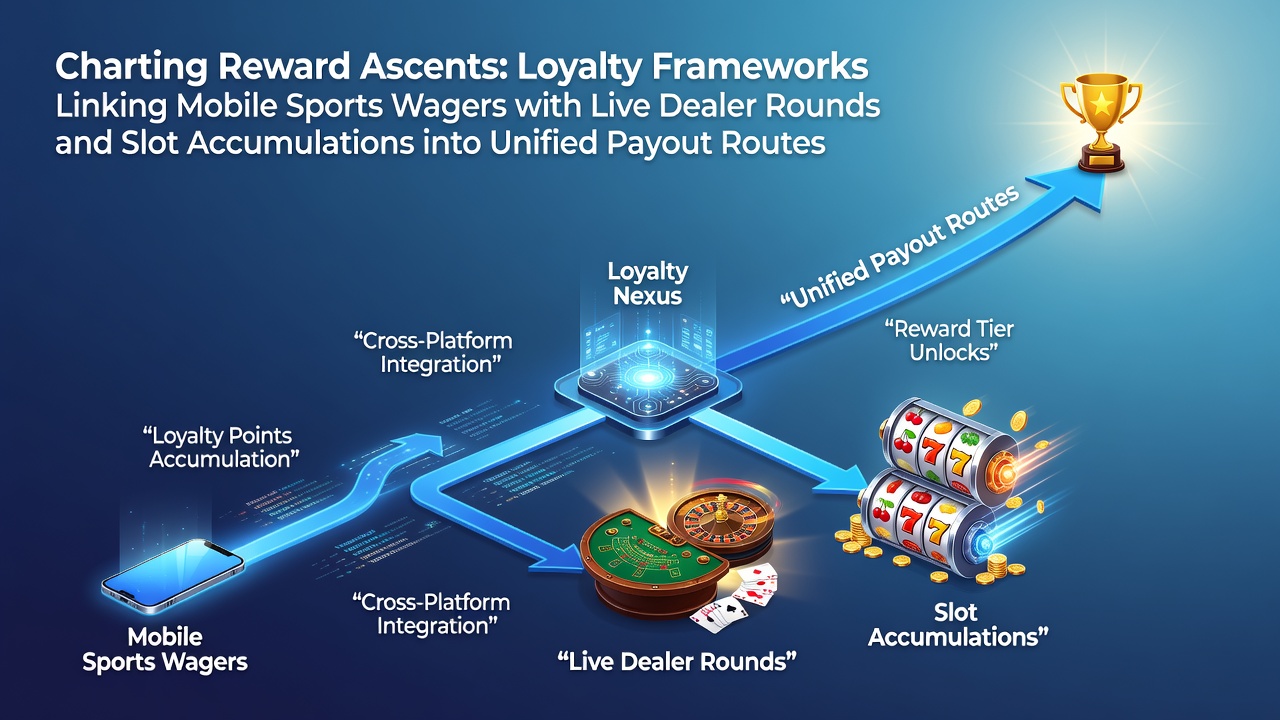
Integrated loyalty systems now combine mobile sports wagers with live dealer rounds and slot accumulations through shared point ledgers that convert activity across categories into single payout routes. Operators track user engagement in real time so that bets placed on sports apps feed directly into casino progress bars while live table sessions add multipliers that accelerate slot reward tiers. Data from multiple jurisdictions shows these frameworks operate on centralized databases where each wager type contributes weighted values toward cashback, free rounds, or tier upgrades.
Core Mechanics of Cross-Vertical Tracking
Systems assign points based on wager volume and game type then route them through unified ledgers that ignore traditional category boundaries. A mobile sports bet on a football match might generate base points while a live dealer blackjack round adds bonus multipliers during promotional windows and slot sessions contribute to accumulation meters that unlock higher cashout percentages. Observers note that operators deploy API connections between sportsbooks, live platforms, and slot servers to ensure point balances update within seconds of each transaction. Figures from industry reports indicate that players who engage across all three verticals reach payout thresholds faster than single-category users because the frameworks apply combined progress calculations.
Regional Implementation Patterns
In North American markets, several operators adopted unified loyalty engines in 2025 that sync sports betting data with casino floors through mobile applications. European platforms followed similar patterns yet adjusted point weighting to comply with local advertising standards. Australian regulators required clearer disclosure of cross-category accumulation rules starting mid-2026 while Canadian provinces tested pilot programs that link provincial lottery apps to private operator live dealer streams. These variations produce different payout speeds yet share the same structural approach of merging activity logs into one user profile.
One study released by the International Gaming Institute at UNLV examined transaction logs from integrated platforms and found that users who split activity evenly across sports, live dealer, and slots achieved reward redemptions 28 percent sooner than those focused on one area. The research highlighted that live dealer rounds often carry higher point multipliers during evening hours which then carry over to slot accumulation meters the following day. Sports wagers placed during major events trigger temporary boosts that apply retroactively to recent slot sessions when the system recalculates daily totals.
Technical Integration and Data Flow
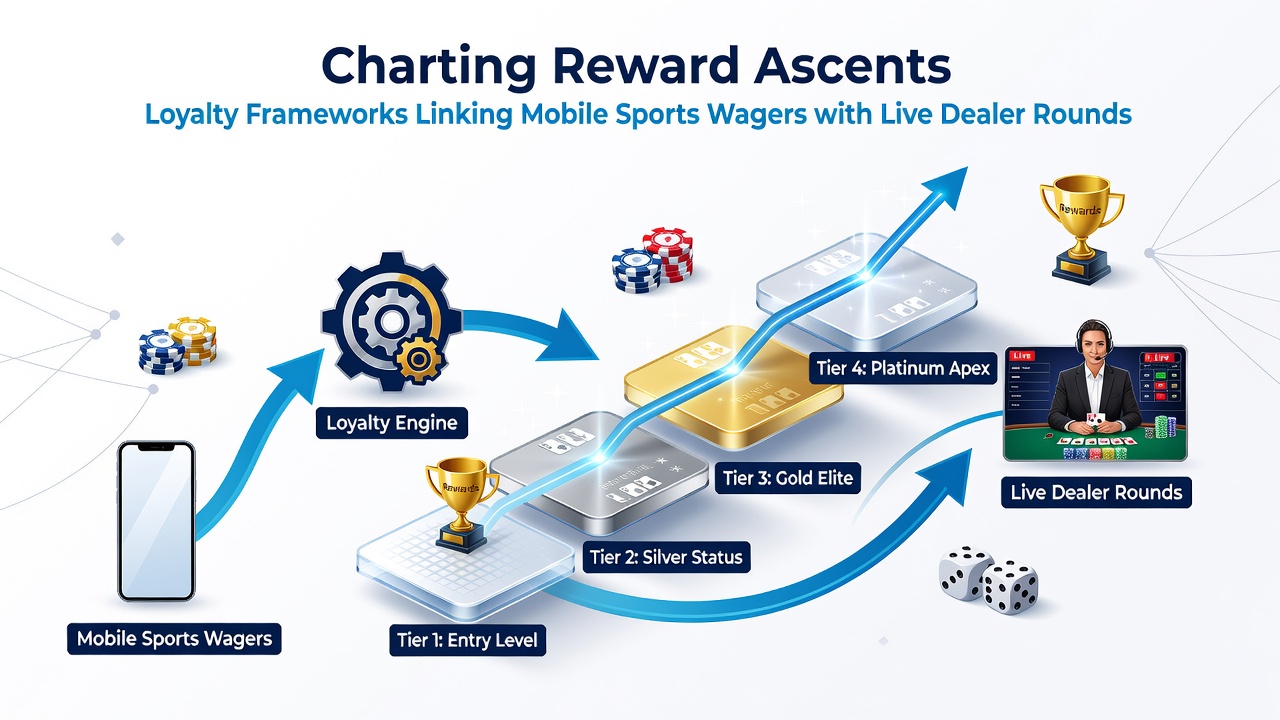
Backend architecture relies on real-time data pipelines that push every confirmed wager into a central loyalty engine regardless of originating product. Slot accumulations register through RNG servers while live dealer rounds transmit results via streaming APIs and sports wagers update through odds management systems. The engine applies conversion tables that normalize different stake sizes and game volatilities into equivalent point values. Operators test these connections during scheduled maintenance windows to prevent discrepancies that could delay unified payouts. Reports compiled by the European Gaming and Betting Association indicate that platforms using these pipelines reduced customer support queries about missing rewards by 41 percent between 2024 and 2026.
October 2026 brought minor framework adjustments in several jurisdictions where regulators required additional audit trails for cross-vertical point transfers. Platforms responded by embedding timestamp verification at each stage so that every sports wager, dealer round, and slot spin carries traceable markers through the payout route. These changes did not alter point values yet increased transparency for both operators and users who review activity histories.
User Journey Examples
Take one account that places a mobile sports wager on a tennis match in the afternoon then joins a live dealer roulette table in the evening and finishes with slot sessions before midnight. The system records each segment separately yet merges the totals overnight so that the combined activity unlocks a single cashback amount available the next morning. Another profile might focus heavily on live dealer tournaments that award bonus spins directly redeemable on slot games while earlier sports wagers contribute to tier maintenance requirements. Observers note that these journeys produce consistent engagement patterns because the unified routes eliminate the need to track separate loyalty programs.
Future Development Indicators
Industry analysts project continued expansion of these frameworks into additional game types and payment methods throughout late 2026. Mobile applications already display combined progress bars that update across verticals while desktop versions offer detailed breakdowns of how each wager type contributed to final payouts. Research continues into predictive models that estimate when users will reach next reward thresholds based on current activity mixes. Such models rely on historical data sets that capture seasonal variations in sports betting volume alongside steady live dealer and slot participation rates.
Conclusion
Unified loyalty frameworks continue to link mobile sports wagers with live dealer rounds and slot accumulations through shared tracking systems that deliver consolidated payout routes. Technical integrations, regional adaptations, and user activity patterns demonstrate consistent operational structures across markets. Data from academic and industry sources confirms measurable differences in reward timing for multi-vertical participants compared with single-category users. Adjustments scheduled for October 2026 focused on audit transparency rather than structural changes to point conversion. These systems maintain separate product identities while routing all activity into unified reward outcomes.