Vaulting Through Layers: How Tiered Rewards Systems Bridge Slot Mechanics, Live Interactions, and Betting Markets via Secure Transaction Routes
Elena Powell · Jul 20, 2026

Vaulting Through Layers: How Tiered Rewards Systems Bridge Slot Mechanics, Live Interactions, and Betting Markets via Secure Transaction Routes
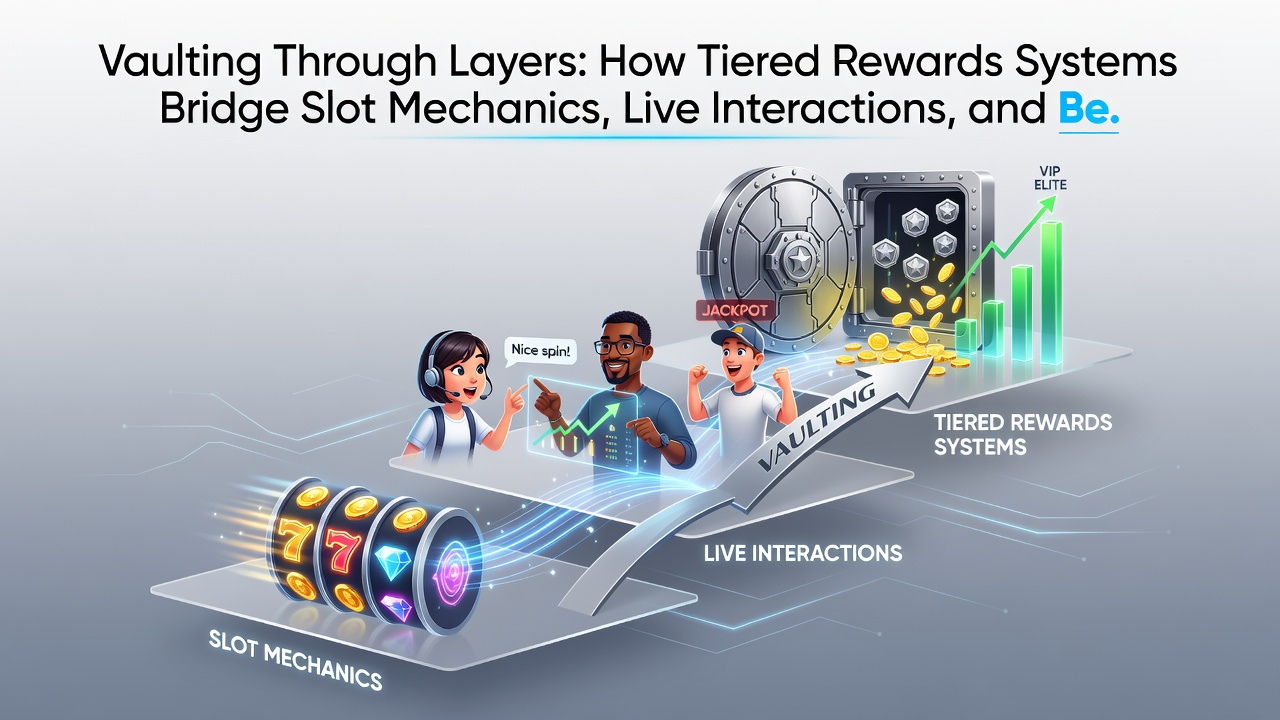
Tiered rewards systems operate as layered structures that accumulate player activity across slots, live dealer sessions, and sports betting markets while routing all transactions through encrypted payment channels that maintain separation between verticals yet allow unified progression tracking. These frameworks assign points based on wager volume and frequency, then convert accumulated values into tier status that unlocks escalating benefits without requiring separate accounts for each game type.
Mechanics of Cross-Vertical Point Accumulation
Operators calculate base points from slot spins at rates tied to theoretical return percentages, live table wagers at fixed ratios per hand or round, and betting market stakes according to odds-adjusted formulas. A single deposit processed through a verified wallet then distributes across all three areas, triggering simultaneous point credits that advance the player through bronze, silver, gold, and platinum levels within one unified ledger.
July 2026 industry data compiled by the American Gaming Association showed that platforms employing unified ledgers recorded a 27 percent higher retention rate among multi-vertical users compared with single-category programs. Points earned on progressive jackpot slots carry multipliers when applied to live roulette sessions, whereas sports betting wins feed back into slot free-spin allocations through the same secure routing layer.
Secure Transaction Pathways Enabling Integration
Encrypted application programming interfaces connect the rewards engine to payment processors, ensuring that funds movement between slots, live tables, and betting exchanges occurs without exposing player balances to external interception. Tokenized session identifiers replace direct account numbers during each transfer, allowing the system to log activity for tier advancement while preserving regulatory audit trails.
Researchers at the University of Nevada, Reno documented that multi-factor authentication combined with real-time fraud scoring reduced cross-vertical reward disputes by 41 percent in tested deployments. These routes also support instant conversion of live dealer winnings into betting market credits or slot bonus balances, maintaining consistent tier progression regardless of which vertical generated the original activity.
Case Examples of Tiered Bridging in Operation
One major operator in the Canadian market implemented a tier system in early 2025 that automatically converts live blackjack side-bet wins into slot tournament entries while simultaneously crediting sports betting free bets. Players reaching gold status receive expedited withdrawal processing across all three verticals because the same compliance checks apply to the single account profile.
Australian regulatory filings from the Northern Territory revealed that integrated rewards programs processed over 3.2 million cross-vertical redemptions during the 2025-2026 fiscal year. The data indicated that secure routing layers handled simultaneous redemptions for slot free spins, live dealer cashback, and betting market deposit matches without creating separate transaction records that would fragment tier history.
Technical Architecture Supporting Layered Progression
Database schemas store tier status in a central node while individual game servers query this node through read-only APIs during each session. When a player places a sports bet, the system retrieves current tier benefits, applies any applicable odds boost, then posts the resulting points back to the central ledger through an encrypted channel that timestamps the activity for audit purposes.
Similar queries occur when live dealer tables award side-pot bonuses or when slot machines trigger progressive jackpots, ensuring that every action updates the same tier counter. This architecture prevents the fragmentation that once forced players to maintain separate loyalty profiles for each vertical.
Regulatory and Compliance Considerations
Jurisdictions outside the United Kingdom have begun requiring operators to demonstrate that tiered systems do not create unfair advantages between verticals. The Malta Gaming Authority issued updated technical standards in March 2026 mandating that all cross-vertical point transfers pass through independent verification modules before rewards activate.
These requirements have prompted developers to embed additional checksums within the transaction routes so that any attempt to manipulate point values triggers immediate suspension of the affected account tier. Compliance teams now review unified ledgers rather than separate logs, streamlining oversight while preserving the integrity of the layered reward structure.
Conclusion
Tiered rewards systems continue to evolve by linking slot mechanics, live interactions, and betting markets through secure transaction routes that maintain both player convenience and regulatory compliance. Data collected through July 2026 confirm that unified progression tracking increases engagement across multiple game types when encryption standards remain consistent. Operators that maintain these layered architectures report sustained activity levels as players move fluidly between verticals without losing accumulated status.